Premium TV Wall Mounting Services for a Stylish, Modern Finish
Expert TV wall mounting services offer a practical solution for homeowners looking to improve their home environments. By ensuring secure installations and ideal positioning, these services contribute to a modern aesthetic while improving functionality. Qualified experts not only examine wall compositions but also handle cable management skillfully. This produces a clean appearance that complements modern aesthetics. Still, recognizing the subtleties of this solution can expose further perks that numerous homeowners tend to overlook.
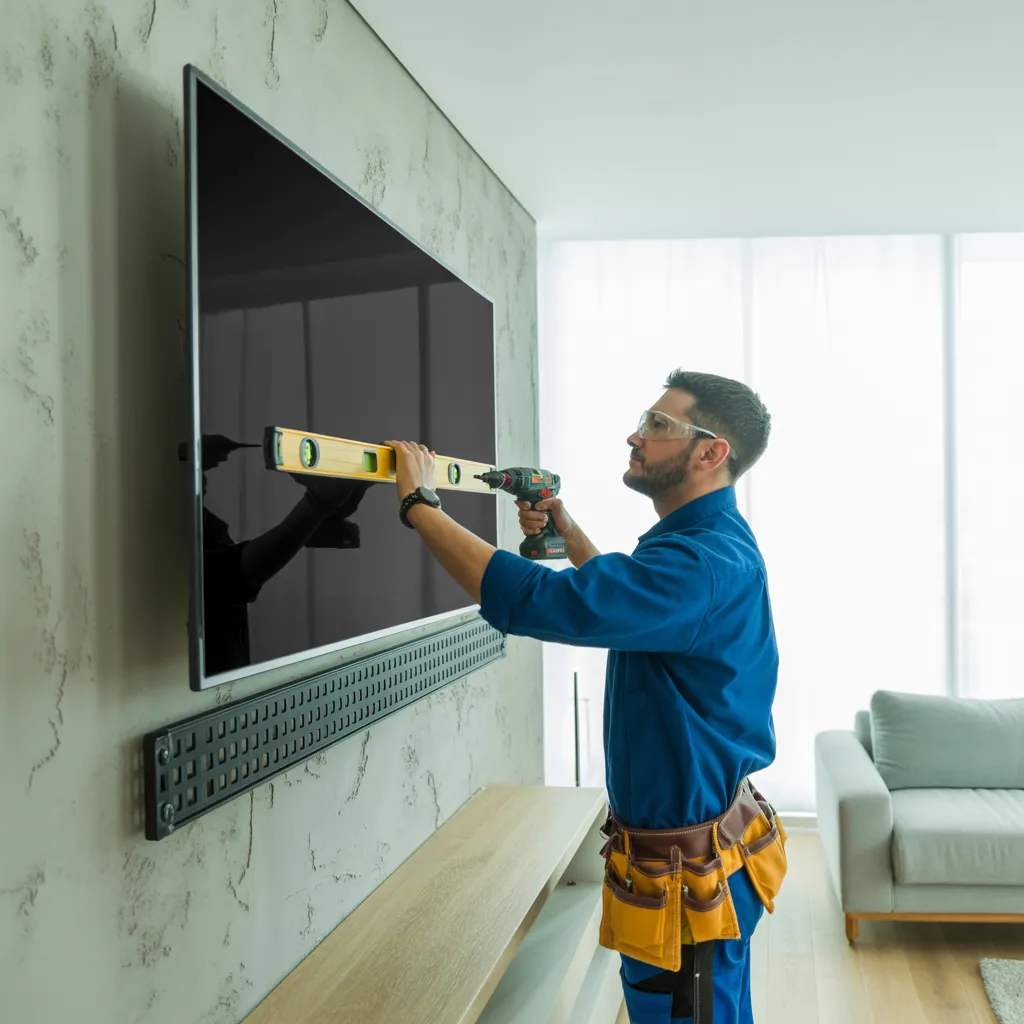
Why Opt for Expert TV Wall Mounting Services
When homeowners consider mounting their televisions, they often overlook the advantages of hiring expert services. Professional wall mounting guarantees not only accurate setup but also enhances safety. Licensed experts hold the expertise and abilities necessary to examine wall structures, locate studs, and determine the best height for viewing. This level of skill decreases the likelihood of harm to walls or the TV itself.
Additionally, professionals can efficiently oversee wiring and cable management, producing a neat and tidy finish. They understand the significance of balancing aesthetics with functionality, ensuring that the setup matches the room's overall aesthetic. As an added benefit, choosing professional installers typically comes with warranties and guarantees, offering residents confidence regarding their investment. By choosing professional TV mounting solutions, householders can benefit from a hassle-free experience, yielding a stable and visually impressive setup that elevates their home environment.
How Wall Mounting Improves Your Home's Overall Aesthetic
Wall mounting a television can greatly transform a living space's overall look, as it eliminates bulky furniture and delivers a clean, polished aesthetic. By positioning the TV at eye level, it enhances the viewing experience while preserving a sleek, contemporary atmosphere. This minimalist approach not only reduces clutter but also enables greater flexibility in room arrangements, making spaces feel larger and more open.
Furthermore, wall-mounted TVs act as a focal point, allowing homeowners to design around them with shelves or artwork that ties together the existing decor. The incorporation of concealed cables further elevates the aesthetic, creating a sleek finish that boosts both aesthetic appeal and usability.
Additionally, wall mounting encourages a current feel, complementing prevailing design trends that favor elegance and simplicity. Ultimately, this deliberate placement elevates a home's entire atmosphere, transforming ordinary living spaces into distinguished surroundings.
What Happens During TV Wall Mounting
Preparing for TV wall mounting involves a series of structured steps to ensure a flawless installation process. To begin, the technician evaluates the wall structure and identifies the best mounting location, considering factors such as wall studs and cable management. Once they have chosen the appropriate mounting bracket, they confirm that all necessary tools and materials are at hand.
The process starts with accurate measurements and wall markings to ensure accuracy. The professional then firmly mounts the bracket, confirming it is properly leveled and firmly anchored. When the bracket is properly positioned, the television is precisely installed, with careful consideration of cable management and optimal viewing angles.
Once the installation is complete, the professional technician evaluates the setup, confirming that the TV functions correctly and delivers the intended look. Once complete, any leftover debris and packaging is tidied away, leaving the space tidy and ready for enjoyment.
Optimal Strategies for TV Wall Mounting Positions
Choosing the ideal spot for placing a TV entails a few key considerations to maximize both performance and visual appeal. Initially, the viewing distance plays a vital role; a distance of 1.5 to 2.5 times act now the screen's diagonal measurement is advised for ideal viewing comfort. Additionally, eye level is critical; the middle of the screen should match the natural line of sight of the viewer when seated. This provides an enjoyable viewing experience without causing neck strain.
In addition, the wall's composition and structure must be assessed to prevent any possible damage. Mounting on a stud rather than drywall ensures superior support. Natural light should also be considered, as glare may reduce visibility; placing the TV away from direct sunlight is the best approach. To conclude, power outlet accessibility and cable management should be considered to maintain a clean, organized look. Implementing these steps results in an ideally placed TV that complements the overall room design.

Top 5 Benefits of Expert TV Wall Mounting over DIY
Choosing a professional service for TV wall mounting can provide notable benefits over a DIY approach. First, professionals hold the skills to identify the correct mounting brackets and hardware, providing the highest level of safety and stability. Furthermore, they are equipped with specialized tools that facilitate efficient installation, decreasing the likelihood of damage to walls or the TV itself. Moreover, professionals can determine the optimal viewing angles and placements, enhancing the overall aesthetic and functionality of the space. Fourth, professional services often are backed by warranties, offering reassurance should any issues arise post-installation. To conclude, hiring experts saves time and effort, allowing homeowners to focus on enjoying their entertainment systems rather than struggling with installation. In summary, these advantages highlight the value of selecting professional TV wall mounting services.
Prevent These Frequent TV Wall Mounting Blunders
Mounting a TV can be an exciting project, but various typical missteps can cause disappointment and unintended damage. One prevalent oversight is not identifying wall studs, which can lead to insufficient stability for larger televisions. Furthermore, failing to plan for cable organization can produce a messy look, undermining the sleek look of a mounted TV. Incorrect height placement is another common misstep; placing the TV too far up or down can create neck discomfort and reduce enjoyment. Furthermore, utilizing inappropriate mounting equipment can jeopardize safety and structural integrity. Finally, overlooking the viewing angle relative to seating can diminish the overall experience. By avoiding these pitfalls, individuals can guarantee a successful installation that enhances their living space. Engaging professional services can additionally mitigate these risks, providing expertise and precision for a flawless setup.
Questions We Often Receive
How Much Time Does a Standard TV Wall Mounting Service Usually Take?
A standard TV wall mounting service lasts approximately 1 to 2 hours. Considerations such as the type of wall, mounting height, and necessary cable management may influence the general time necessary for installation and setup.
What Tools Are Needed for DIY TV Wall Mounting?
Key tools for home TV wall installation consist of a wall stud locator, level, power drill, mounting screws, wall plugs, tape measure, and a socket wrench. These items ensure a stable and exact mounting for optimal screen visibility.
Is It Possible to Mount a TV on Any Type of Wall?
Indeed, a TV is able to be mounted on a variety of wall types, including drywall, concrete, and brick. Nevertheless, suitable anchors and mounting techniques are essential for guaranteeing a secure and safe installation across diverse wall materials.
Do I Need to Provide My Own Wall Mount?
Typically, clients are required to provide their own wall mount, guaranteeing it is compatible with their TV and wall type. Nevertheless, certain services may have mounts available for purchase, so it's advisable to confirm beforehand.
Can Large, Heavy TVs Be Safely Wall Mounted?
Mounting large, heavy TVs on the wall can be done safely if proper mounts and installation techniques are used. Selecting suitable mounting hardware is critical and confirm that the wall structure is capable of adequately supporting the TV's weight.