Transform Your Home: The Ultimate Handyman's Guide for Impressive Kitchen and Bathroom Overhauls
Upgrading a home, particularly kitchen and bathroom spaces, necessitates careful planning and informed choices. Homeowners often face decisions about materials, layouts, and whether to tackle projects themselves or hire professionals. Every element plays a vital role in creating spaces that are both practical and aesthetically pleasing. Recognizing these considerations can lead to remarkable transformations. What follows will delve into important strategies and recommendations that can greatly improve these areas of the home.
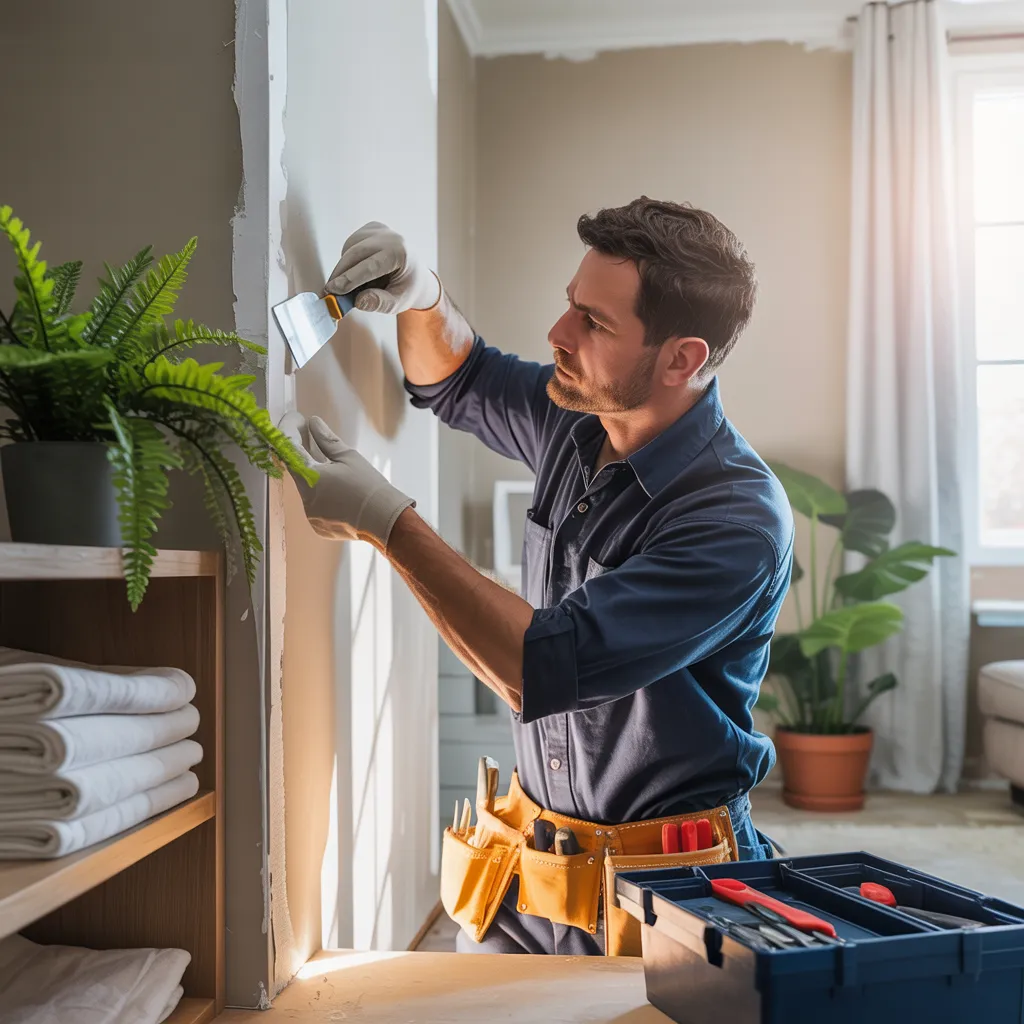
Must-Have Materials for Your Kitchen and Bathroom Remodel
A range of key elements can considerably improve the success of a bathroom and kitchen renovation. High-quality cabinetry serves an important function, delivering both practicality and visual appeal. Countertops crafted from sturdy materials such as quartz or granite offer a practical yet stylish area, standing up to daily wear and tear.
Moreover, flooring materials like ceramic tiles or luxury vinyl can enhance the room while keeping maintenance hassle-free. Backsplash options, from subway tiles to glass, provide character while shielding walls from moisture. Fixtures like faucets and lighting elements, need to be selected based on both their appearance and their lasting efficiency.
In terms of paint, high-quality, moisture-resistant options are crucial for both kitchens and bathrooms. Furthermore, including environmentally friendly materials can boost sustainability. By deliberately choosing these materials, homeowners can develop a unified and appealing atmosphere that addresses both utilitarian and decorative demands.
How to Select the Ideal Layout for Your Kitchen and Bathroom?
What is the best way for homeowners to figure out the perfect layout for their kitchen and bathroom? The journey starts by examining the space at hand and recognizing personal preferences. When it comes to kitchens, the "work triangle" approach—joining the sink, stove, and refrigerator—guarantees a streamlined workflow. It is important for homeowners to think about traffic patterns and the positioning of islands or bar seating to improve functionality.
In bathrooms, practicality is paramount. Homeowners should assess the necessity of dedicated spaces, including sinks and showers, to serve multiple occupants. Ideal placement of fixtures can make the most of available space, especially in more compact spaces.
Within both areas, natural light and ventilation should be prioritized, which can impact the positioning and style of windows. Furthermore, modern design preferences and personal aesthetic should be considered to establish a unified visual style. By carefully analyzing these elements, property owners are able to choose arrangements that satisfy both their functional requirements but also enhance aesthetic appeal.
DIY or Hiring a Professional Which Is Right for You
Figuring out whether to handle home renovations independently or by bringing in professionals has a major effect on how a project turns out. Homeowners must weigh their skills, time, and budget when making this decision. Handling renovations independently can prove budget-friendly, letting individuals cut down on labor fees and experience personal fulfillment. That said, these endeavors demand a considerable amount of time and can result in errors that are expensive to correct.
In contrast, engaging professionals delivers a higher level of expertise, efficiency, and access to specialized tools. Professionals can navigate complex tasks, follow established building requirements, and offer guarantees on their services. Ultimately, the choice copyrights on the homeowner's trust in their own skills and the intricacy of the improvement work. In cases of simple, manageable projects, DIY might suffice, while extensive renovations often benefit from professional intervention for best results.
Get the Most Out of Your Space: Smart Layout Ideas
In an effort to optimize living space, thoughtful layout decisions can significantly improve a home's functionality. By prioritizing efficient storage solutions, maintaining seamless flow and functionality, and integrating versatile multi-purpose furniture, homeowners can develop a highly functional and organized home. These smart layout tips not only enhance aesthetics but also improve daily life.
Optimize Storage Solutions
Maximizing storage space is essential for establishing an efficient and well-ordered living space. Within kitchen spaces, making use of vertical areas with wall-mounted shelves or cabinets can free up valuable counter areas. Adding sliding drawers or lazy Susans inside cabinets enhances accessibility and efficiency. For bathroom areas, shelving units above the toilet offer additional storage while preserving floor area. Choosing versatile furniture pieces, such as ottomans with hidden compartments, can also contribute to a tidier environment. Additionally, employing transparent containers and labels within closets assists in preserving organization and clarity. Through the thoughtful application of these storage strategies, residents can convert disorganized areas into neat, functional spaces that improve everyday life. Deliberate organization not only boosts functionality but also refines the overall look and feel of the living space.
Flow and Functionality
Achieving an effective combination of flow and practicality within a space is vital for elevating everyday living. In the design of kitchens, the work triangle—comprising the refrigerator, stove, and sink—should promote efficient movement, minimizing unnecessary steps during meal preparation. Similarly, in bathrooms, thoughtful placement of fixtures can simplify morning routines. Open floor plans can create a sense of spaciousness, while structured zones can increase practicality. For a practical example, incorporating islands in kitchens not only supplies additional counter space but also fosters social interaction. In bathrooms, examine the accessibility of storage and fixtures, making sure they align with user needs. Ultimately, emphasizing flow and functionality turns rooms into practical environments, boosting both comfort and efficiency in daily tasks.
Multifunctional Furniture Concepts
Though many people underestimate the potential of multifunctional furniture, it serves as a game-changer in space management. This innovative approach allows homeowners to fully utilize restricted areas, most notably in kitchens and bathrooms where space is often at a premium. As an example, a dining table that also functions as a work area can streamline activities, while ottomans with hidden storage can keep clutter at bay. Murphy beds convert spare rooms into practical areas during the day, and wall-mounted shelves can serve both decorative and storage purposes. By integrating these flexible furnishings, individuals can design spaces that are not only visually appealing but also highly functional. Adopting multi-use furniture is a brilliant solution for improving functionality and comfort in any residential transformation.
Simple Design Tips to Revitalize Your Kitchen and Bathroom
Transforming a bathroom and kitchen can be realized through easy design tricks that make a significant impact. Applying fresh paint to cabinetry, refreshing hardware, and adding eye-catching backsplashes are proven strategies to upgrade these vital spaces. These modifications not only enhance aesthetics but also strengthen usability and long-term appeal.
Elevate Cabinetry with a Fresh Coat of Paint
Transforming kitchen and bathroom spaces can be as easy as updating cabinet surfaces with a new coat of paint. This effective approach can dramatically alter the character of these areas without major remodeling. Selecting the perfect color is crucial; lighter shades can evoke a bright ambiance, while vibrant colors bring energy and distinction. Surface preparation is fundamental—sanding, cleaning, and priming the surfaces secures peak adhesion and a professional finish. Selecting top-grade paint made specifically for cabinets increases durability and promotes easy cleaning. Methods like distressing or glazing can bring uniqueness, improving the complete look. By focusing on cabinetry, property owners can accomplish a powerful visual upgrade, making their kitchens and bathrooms feel rejuvenated and inviting.
Refresh Hardware Stylishly
Some basic hardware updates can transform the look of bathrooms and kitchens without a complete overhaul. Swapping out old drawer pulls and cabinet knobs for stylish new choices can create a fresh aesthetic. Opting for finishes including brushed nickel or matte black delivers a current style, while antique brass can suggest timeless elegance. Moreover, updating faucet handles can revitalize sinks, making them both practical and attractive. For a cohesive look, it is important to coordinate the hardware throughout all components, including cabinets and appliances. Integrating distinctive designs, such as geometric shapes or artisan-crafted pieces, can also add personality. Overall, these upgrades to hardware provide an affordable method to improve both the aesthetics and usability of any room.
Include Stylish Backsplashes
While a complete kitchen or bathroom renovation can be intimidating, adding elegant backsplashes provides a simple method to enhance the area. Backsplashes serve both functional and aesthetic purposes, shielding walls from water damage while contributing decorative appeal. Homeowners may select from a wide range of materials, including ceramic tiles, glass, and natural stone, enabling artistic customization. Designs, hues, and textures can be blended to tailor the aesthetic, making it easy to complement existing decor. For a quick update, peel-and-stick options are available, providing an affordable and temporary solution. Moreover, applying a dramatic design can craft a linked article visual anchor, drawing the eye and enhancing the overall ambiance. With deliberate choices, backsplashes can turn simple spaces into sophisticated havens.

Essential Tips for Keeping Your New Space Looking Great
To guarantee that a newly transformed space continues to look appealing, consistent care is important. For kitchens, routine cleaning of countertops and appliances helps avoid the buildup of grease and residue. Using non-abrasive cleaners preserves surfaces while preventing deterioration. For bathroom spaces, routine checking of grout lines and caulk reduces the risk of mold and water-related issues; refreshing the caulk when necessary is recommended.
Moreover, looking for leaks under sinks and around plumbing fixtures confirms that any concerns are handled in a timely manner. Utilizing strainers to ensure drains remain unobstructed can prevent clogs and maintain functionality.
For each of these spaces, routine thorough cleaning of shelves and cabinets not only enhances appearance but also prolongs their lifespan. Finally, implementing a seasonal checklist for maintenance tasks can preserve the spaces in excellent condition. By applying these suggestions, homeowners can be confident their refreshed kitchens and bathrooms look as impressive as the moment they were done.
Frequently Asked Questions
What Are the Current Trends in Kitchen and Bathroom Design?
Recent trends in bathroom and kitchen design prioritize sustainable solutions, natural materials, open spaces, and smart technology. Bold colors, minimalist fixtures, and multifunctional layouts additionally improve aesthetics while boosting functionality for modern lifestyles.
How Can I Stay on Budget During My Renovation?
To stay on budget during renovations, homeowners should concentrate on necessary upgrades, establish a thorough plan, set a realistic budget, track expenses diligently, and look into DIY approaches for smaller projects to minimize costs effectively.
What Permits Do I Need for Remodeling My Kitchen or Bathroom?
To remodel a kitchen or a bathroom, you will typically need building permits, plumbing permits, and electrical permits. Rules and requirements vary from one location to another, so consulting with local officials and reviewing regulations is essential prior to beginning any project.
What Is the Typical Timeline for a Kitchen or Bathroom Makeover?
A standard bathroom or kitchen remodel usually takes between four and eight weeks, subject to the scope of work, materials selected, and contractor availability. Proper planning and scheduling can help guarantee a smoother renovation process.
How Should I Handle My Old Fixtures and Materials?
Outdated fixtures and materials can be reused, contributed, or recycled. Many local charities accept usable items, while recycling centers handle materials like metals and plastics. Opting for eco-conscious choices encourages sustainability and lessens contributions to landfills.